
Join Us at the World Economic Conference in Orlando, Florida! Nov. 17-19, 2023
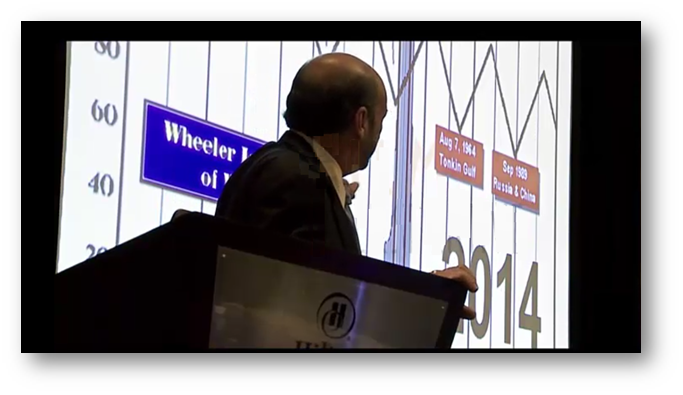
Join Us at the 2023 World Economic Conference in Orlando, Florida!
? Dates: November 17, 18, and 19 ? Location: Orlando, Florida, USA (or tune in from home with our virtual ticket options)
Are you ready to unlock the future of economics and finance? Prepare for an unforgettable World Economic Conference experience in sunny Orlando, Florida! This premier event is your gateway to insights, networking, and valuable resources that will supercharge your understanding of the global economy.
?️ What’s Included for In-Person Attendees:
- Event Admission: Enjoy reserved seating assigned based on the order of ticket sales, ensuring you have a prime view of every presentation.
- Presentation Slides: Gain access to the presentation slides from all speakers, allowing you to delve deeper into the topics discussed.
- Video Recording: Can’t make it to a session? No worries! You’ll receive access to video recordings of all conference presentations, so you can catch up at your convenience.
- WEC Event App: Connect with the conference on a whole new level. Access presentation slides, bonus reports, recordings, and more via the official WEC Event App.
- Bonus Conference Materials: Get a package of bonus conference-related materials, including exclusive bonus reports and videos (as provided by Martin Armstrong).
- Morning Information Sessions: Don’t miss out on important morning information sessions, screened on-site in the meeting room on Saturday and Sunday.
- Networking Opportunities: Exclusive access to the Event App Networking Feature allows you to connect with fellow attendees, both in-person and virtual, fostering valuable professional relationships.
- Culinary Delights: Savor delicious breakfast and lunch on Saturday and Sunday, prepared to keep you energized throughout the day.
- Cocktail Reception: Kick off the conference in style at our Friday evening cocktail reception. Meet and mingle with fellow attendees while enjoying refreshing drinks.
- Swag Bag: As a token of our appreciation, each in-person attendee will receive a swag bag filled with goodies, including an Armstrong Economics notebook, pen, and an event collector’s mug!
Unable to travel? We also have two different ticket options for those wishing to attend virtually!
Don’t miss this opportunity to be part of a global gathering of economic and financial minds. Secure your spot at the World Economic Conference in Orlando, Florida, and gain the knowledge, connections, and resources you need to thrive in the world of finance and economics.
Space is limited, so act now and reserve your seat! Visit our Events page to register and join us in sunny Orlando this November.



NEW BOOK Now Available : "Mark Antony & Cleopatra"

"THE PLOT TO SEIZE RUSSIA - THE UNTOLD HISTORY"

The second edition of “The Plot to Seize Russia – The Untold History” is now available for purchase in paperback and hardcover on Amazon and Barnes and Noble. The ebook will be available shortly.
Book description:
“Take care of Russia,” Boris Yeltsin said as he departed his presidency in August 1999. These words were directed at current Russian president, Vladimir Putin. Yeltsin specifically picked Putin as his predecessor to prevent the takeover of Russia.
So, who was Yeltsin warning against? Newly declassified documents from the Clinton Administration prove that there was a plot to rig the Russian election of 2000. These never-before-seen documents confirm numerous attempts to implement pro-Western policies using the Russian oligarchy headed by Boris Berezovsky.
On the other side were the communists who desired a return to the glory days of the Soviet Union. As one of the largest international hedge fund managers, author Martin Armstrong found himself in the middle of perhaps the greatest espionage, or attempt at a regime change for Russia, in modern history.
The Plot to Seize Russia pulls back the curtain to expose the most extraordinary attempt to seize power in modern history, but with the pen rather than armies. These declassified documents reveal a plot that has altered our thinking about the relations between the United States and Russia. The thirst for power comes seething through every line of these papers that alter our perception of reality, change the course of history, and now threaten us with World War III.
How To Distinguish a Real Bull Market
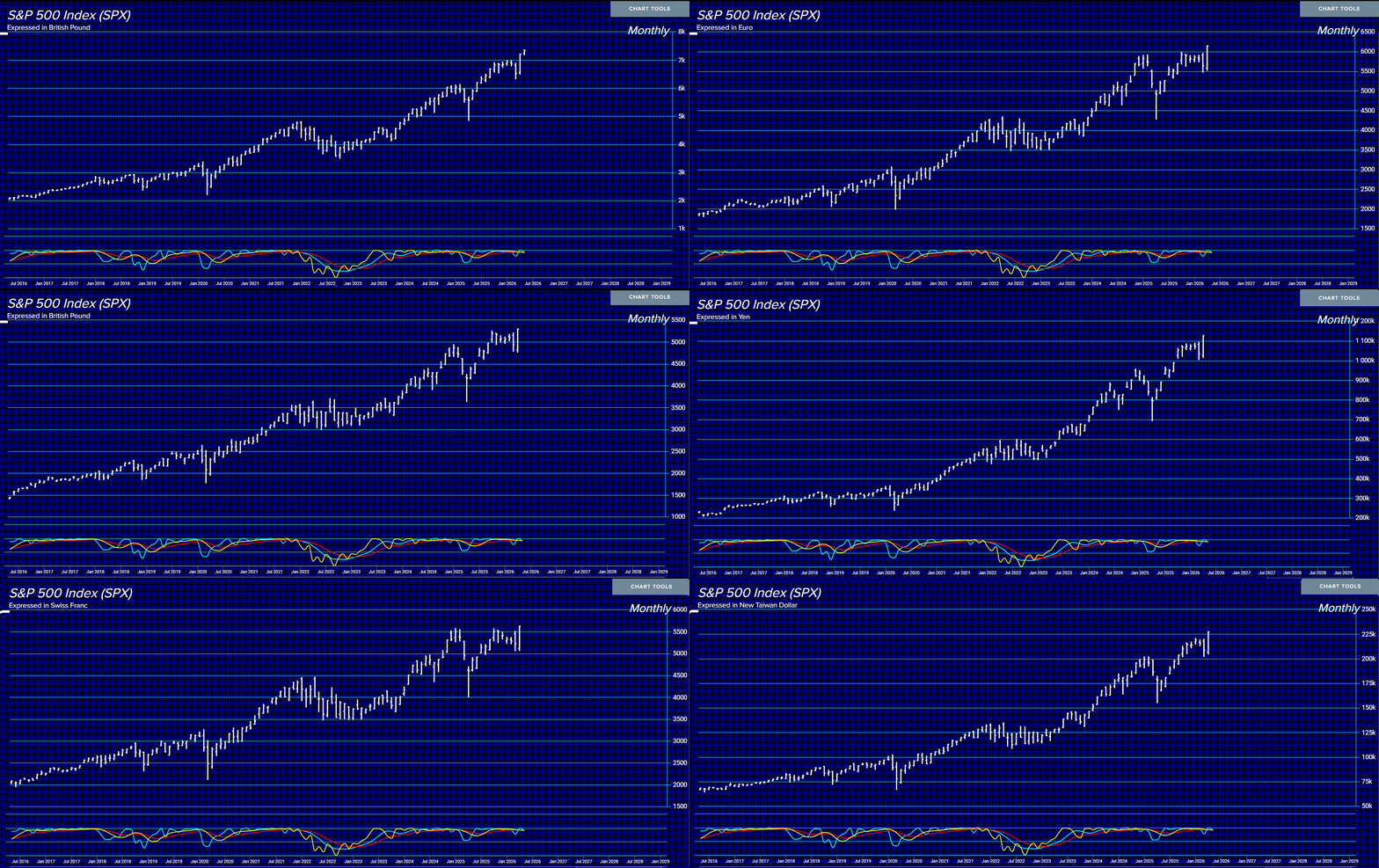
COMMENT: Mr. Armstrong, we never met. I was introduced to Socrates at the insistence of a friend at another one of our divisions. There was no 80% Crash on April 29. The whole de-dollarization seems to be another hype, as we have witnessed ourselves. Your system allows you to plot anything in any currency. I just have to comment that you are obviously a highly experienced trader, for it takes someone who has thrown their hat in the ring to actually come up with something useful rather than theory. Plotting the S&P across various currencies confirms the bull market, as you have consistently said. A bull market requires advancement in all currencies.
I understand you will be doing a Next Generation conference to teach the next generation how the world really works. I know our company has used you for many years. I am a recent addition. I just wanted to say that you have opened my eyes and transformed my career into something exciting.
God bless you, Mr. Armstrong, and thank you.
Robert
REPLY: Thank you very much. I know what you mean. When things are always evolving, it keeps you on your toes. Lillian Smith put it this way:
“When you stop learning, stop listening, stop looking and asking questions, always new questions, then it is time to die.”
My father took the family to Europe for the summer back in 1964. That taught me currency, for we traveled all over Europe, and back then, you had to change currencies at every border. That trip taught me more than anything in school, for not only did they never talk about currency because everything was at a fixed rate, but economics was not even a science. It was all really Marxism and Keynes projecting that government was wonderful, our savior, who would eliminate recessions and depressions, creating the path to economic utopia.
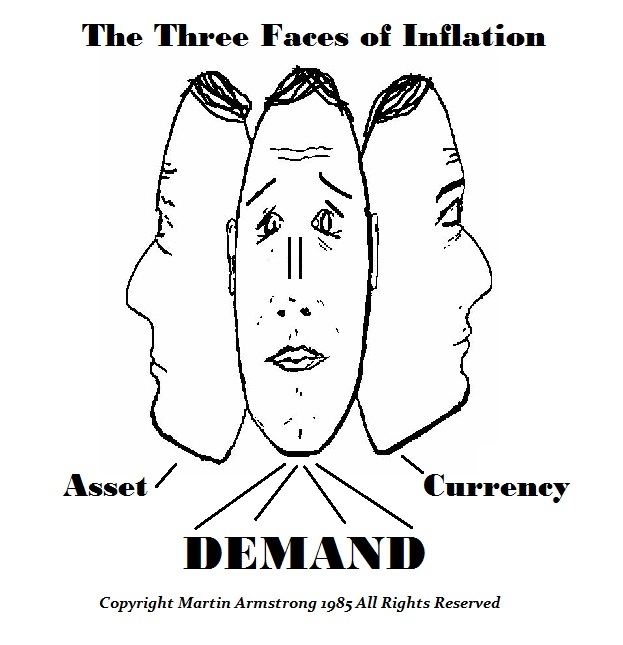
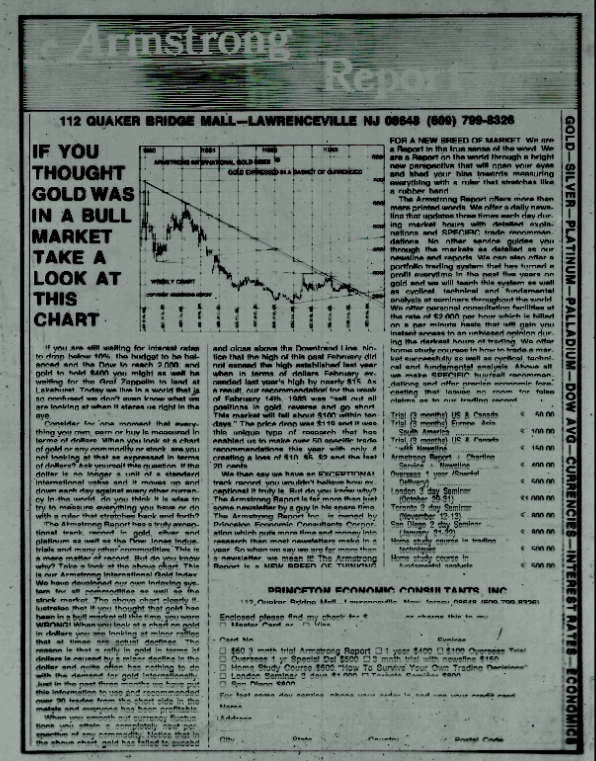
It was currency that dragged me around the world and had companies and governments knocking on my door. It has been my clients who have taught me, not academia. I learned early on that a bull market is something that rises in all currencies – not just your local currency. If your currency declines by 50%, your private assets will rise in proportion because everything has an international value.
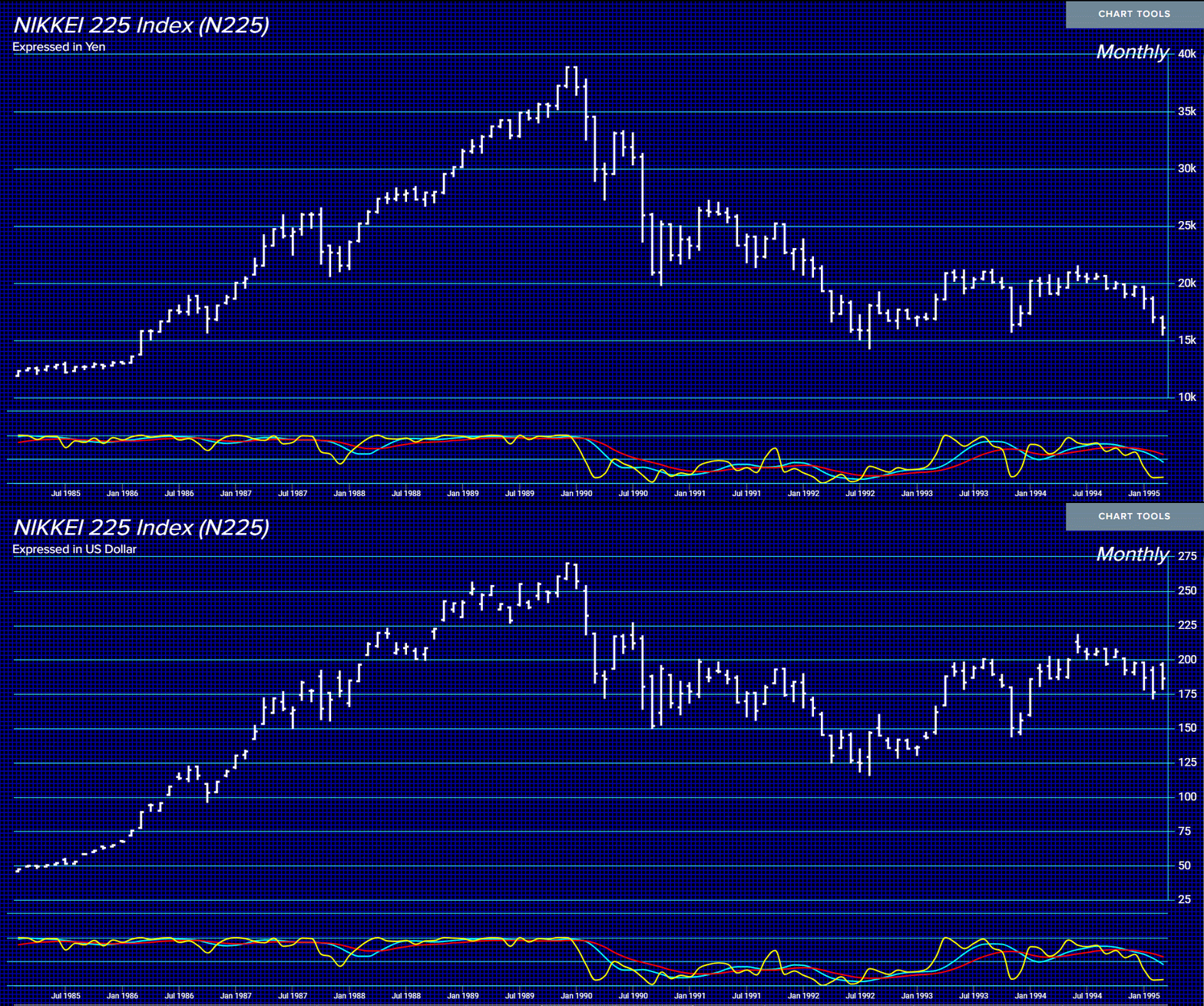
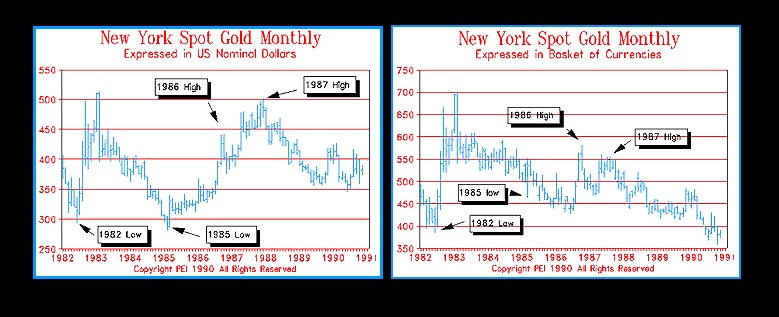
Not only does classical economics completely fail to keep up with the times, still entrenched in theories from the fixed exchange rate period, where they NEVER considered currency, but everything is based entirely on domestic analysis, void of international capital flows. Here is a chart of the famous 1989 Crash in Japan. Everyone will act out of their own self-interest, and that is measured through the eyes of their domestic currency. Note that the high took place in yen and dollars simultaneously.
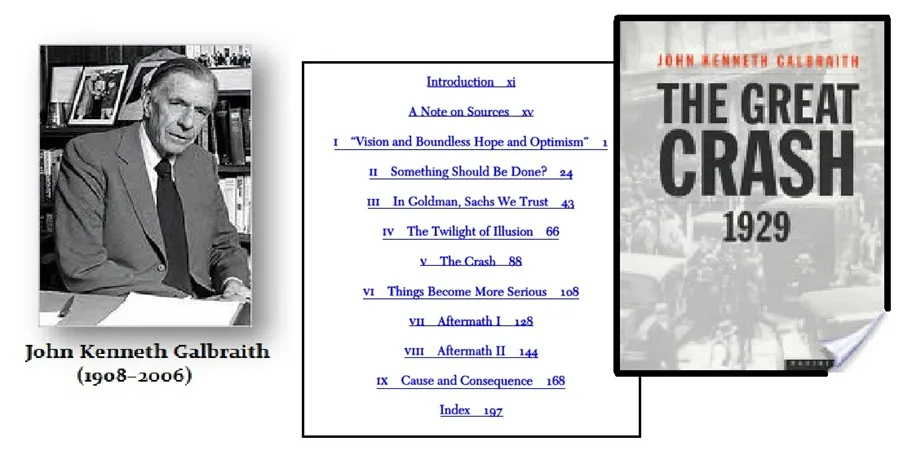
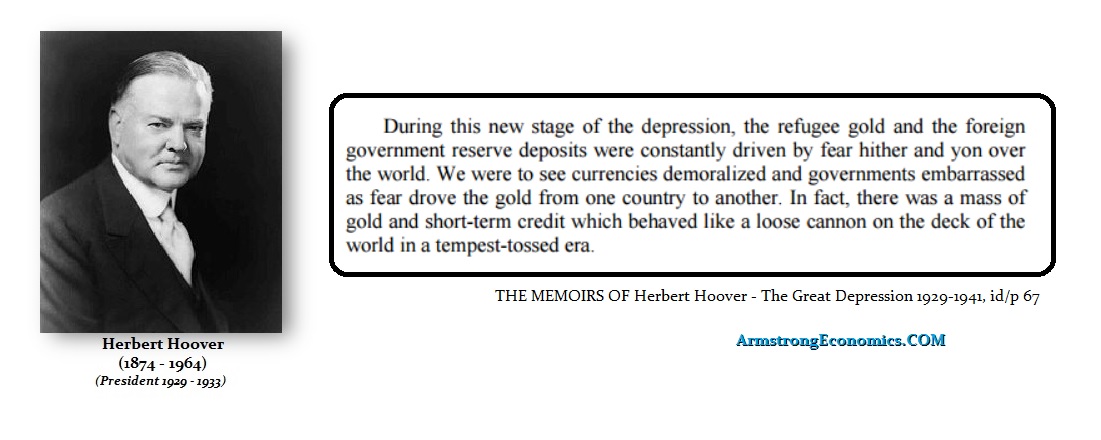
I quickly realized that what I was being taught in school was all lies and propaganda. I had to read Galbraith in school and came across Hoover’s Memoirs. It quickly surfaced that Galbraith was just a socialist who portrayed corporations as evil and the government as walking on water. He omitted everything about the Sovereign defaults of Europe, South America, and Asia. The LEFT rewrote history to support Marx. Nothing has changed. Formal education is a detriment. The Shah of Iran paid for the education of Iranians, sent them to the best universities in the US and UK, and they returned with a Marxist agenda mixed with Islam and staged the Revolution in 1979. It was that same LEFTIST hatred I saw in school that has led to the death of hundreds of millions and counting.
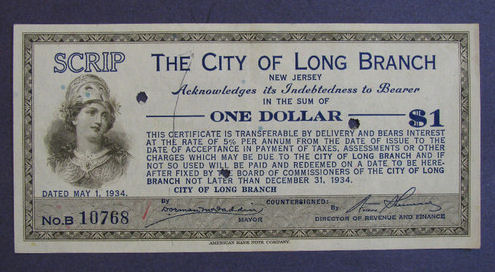
A real bull market is something rising in a broad basket of currencies. Then and only then do you see how markets truly respond. This 80% crash is nonsense. To achieve that, which is a repeat of 1929, so many things would have to be different. The US had a balanced budget in 1929. There was a cash shortage because the Fed feared inflation. Over 200 cities issued their own money due to the cash shortage, Milton Friedman pointed out.
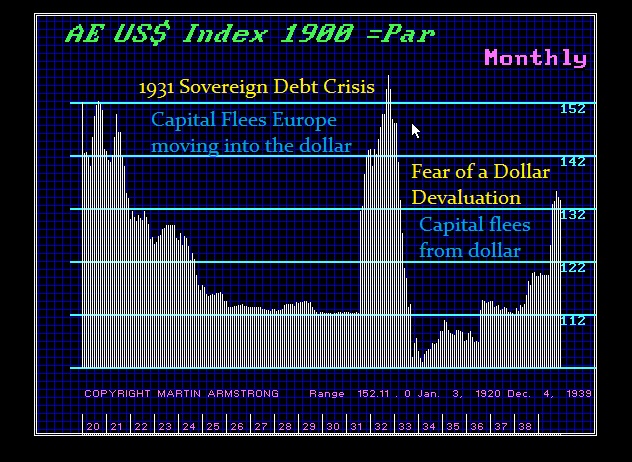
The market went down because the dollar rose to record highs and other countries defaulted on their debt. The Fed was terrified that the dollar would be next on the list of currencies to default, and it tried to keep the supply tight, causing deflation.
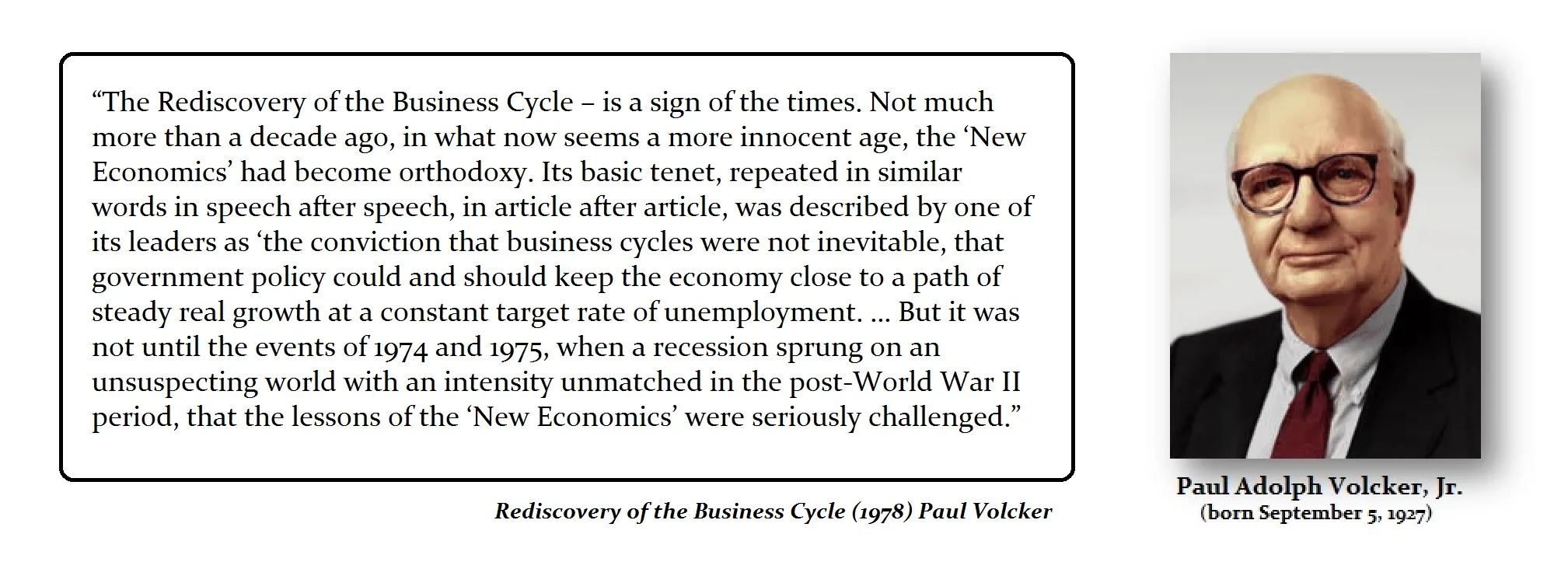
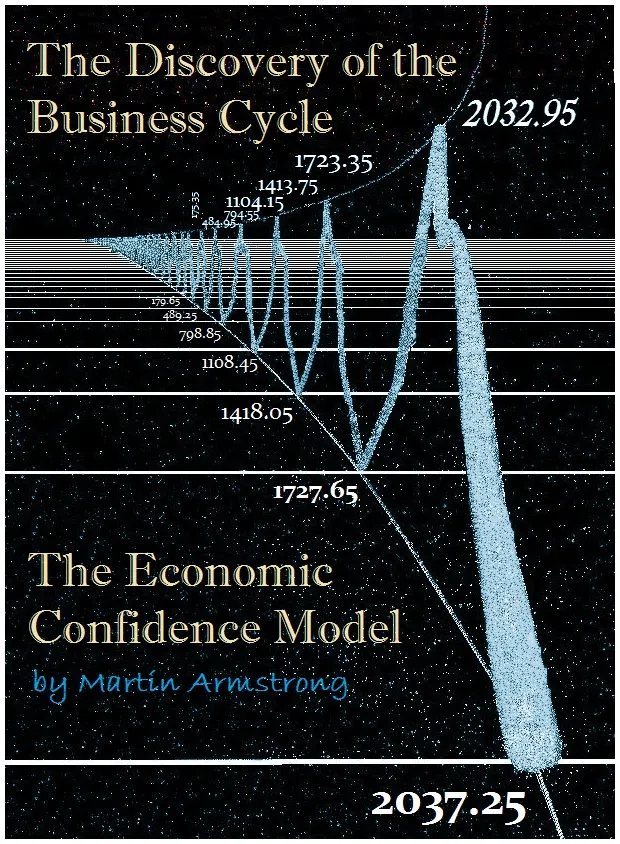
I had a discussion about the business cycle with Paul Volcker back in 1999. He, too, saw Keynesian Economics fail during the 1970s. He also agreed with my Economic Confidence Model and said he believed that the business cycle was about 8 years.

It was Milton Friedman who came to listen to me speak, I believe it was a COMPUTRAC conference in Chicago. I was speaking about currency and capital flows, and when I was done, Milton came up, shook my hand, said that was the best speech he had ever heard, and that I was doing what he had just dreamed about. To say I was shocked is putting that mildly. I saw myself as just a trader.

What Milton meant was that I was doing what he had just dreamed about, as he had seen in his mind a floating exchange in 1953, almost 20 years before it materialized. In 1953, Milton Friedman published a seminal essay titled “The Case for Flexible Exchange Rates,” where he strongly advocated for a system of floating exchange rates. At the time, the global monetary system was dominated by the Bretton Woods framework of fixed exchange rates. Milton argued that such a “pegged but adjustable” system was inherently unstable. He proposed flexible exchange rates as a superior solution, mainly because they could automatically adjust to economic shocks, helping to maintain both internal (e.g., full employment) and external (e.g., balance of trade) balances for a country.
Milton’s case for flexible rates was so influential that it presaged nearly all the major arguments that later scholars would make in favor of floating exchange rates. It was Milton who encouraged me and said what I was doing was important not just for trading, but for economics and the political world.
I am trying to finish these four books as my final gift. That with the next couple of movies (1), documentary (1), Hollywood film, I can say mission accomplished. I have always believed we are sent here for a purpose, and if we do not stare that destiny square in the eyes, then what is the purpose of being here?

Why Some Economies Are Growing While Others Collapse in Real-Time
There is a pattern within the cost of living series based on a series of factors that directly contribute to the overall economic health of a population. What we are witnessing globally is not random. The same patterns continue to emerge regardless of the country, language, or political party in power. Nations that are expanding their middle class, attracting capital, building infrastructure, and maintaining affordable energy are experiencing economic growth in real time. Nations obsessed with debt expansion, climate extremism, endless war spending, uncontrolled migration, and taxation are watching their standard of living collapse before the public’s eyes.
The difference between success and decline is becoming visible on the streets. In the collapsing economies, people cannot afford homes, birth rates are imploding, young adults remain dependent on their parents well into their 30s, and governments continually invent new taxes to keep the system alive. In the rising economies, factories are being built, wages are climbing, infrastructure is expanding, and foreign capital is flowing inward.
This is ultimately a capital flow story. Capital always migrates to wherever it is treated best. Governments never seem to understand this because politicians assume wealth is trapped permanently inside their borders. It is not. Once governments begin punishing productivity while rewarding bureaucracy, capital quietly leaves.
Europe is the clearest example of economic self-destruction. Germany, once the industrial engine of Europe, has struggled with stagnant growth for years. Even the IMF now projects only modest recovery despite aggressive fiscal spending. The problem is structural. Germany built its industrial dominance on affordable energy, engineering, exports, and manufacturing. Then Europe declared war on fossil fuels while simultaneously sanctioning its largest source of cheap energy from Russia. You cannot run an industrial economy on ideology.
The same pattern is visible throughout Britain, Canada, and parts of Western Europe. Housing costs exploded while real wages failed to keep pace. Governments expanded bureaucracy while productivity slowed. Immigration surged far beyond infrastructure capacity, increasing pressure on housing, healthcare, transportation, and social services. The middle class was squeezed from every direction at once.
Japan demonstrates another side of the crisis. It is the demographic collapse model. An aging population, combined with decades of debt accumulation, has created an economy where the government survives largely through perpetual intervention. The Bank of Japan has distorted markets for decades simply trying to prevent the sovereign debt structure from imploding. Meanwhile, birth rates continue to collapse because younger generations no longer see financial security as achievable.
South Korea faces similar demographic pressures, but it also reveals another modern vulnerability: dependence on global supply chains and imported energy. Seoul recently introduced another major emergency budget package to offset rising oil prices and geopolitical instability tied to the Middle East conflict. Modern economies that lack domestic energy independence become extremely vulnerable during geopolitical crises.
Then we look at the nations that are rising.
India continues expanding because it still possesses a young workforce, rising industrialization, and enormous internal demand. Manufacturing is steadily relocating away from Europe and China toward regions with lower costs and growing labor forces. India is benefiting directly from that shift. Global forecasts continue placing India among the fastest-growing major economies in the world.
Vietnam has become one of the clearest examples of capital migration. Multinational corporations moved production there to escape rising geopolitical tensions and higher costs elsewhere. Vietnam combined infrastructure spending, export manufacturing, and relatively stable economic policy to become one of Asia’s fastest-growing economies. Reuters recently reported that Vietnam aims for growth rates near 10% through 2030 while pouring roughly $200 billion into infrastructure projects.
Singapore succeeded because it understood something most Western governments forgot decades ago: stability attracts money. Low corruption, efficient infrastructure, strong property rights, and a pro-business environment consistently attract international capital. The government did not wage ideological war against productivity. It created conditions where business could thrive.
Mexico also benefited from global realignment. As corporations attempt to reduce dependence on China, manufacturing is increasingly moving closer to the United States through nearshoring. Mexico has enormous long-term potential because geography matters. Yet even there, sovereign debt risks and fiscal instability remain threats if spending spirals out of control.
What ties all the successful economies together is surprisingly simple. They still reward production over speculation. They invest in infrastructure instead of endless bureaucracy. They maintain access to affordable energy. They attract capital instead of demonizing it. Most importantly, they still possess some degree of optimism about the future.
Collapsing economies share the opposite characteristics. Rising taxes, shrinking birth rates, exploding debt, unaffordable housing, ideological regulation, and declining productivity create a death spiral. Governments then attempt to solve these problems by borrowing even more money, which only accelerates inflation and capital flight.
The sovereign debt crisis remains the core issue behind everything. The OECD recently warned that sovereign borrowing continues hitting record levels globally while interest expenditures remain near historic highs. Governments are increasingly trapped in a cycle where they must borrow simply to service prior debt obligations. Once that occurs, policy becomes entirely focused on maintaining confidence in government debt markets.
This is why we are seeing the divide between rising and collapsing nations widen so dramatically. Productive capital is abandoning regions where governments have become hostile toward growth itself. The world economy is fragmenting into two camps: nations still building for the future, and nations desperately trying to preserve systems that are mathematically unsustainable.
The average person feels this long before economists admit it. They feel it at the grocery store, in housing costs, in declining opportunities, and in the inability to build wealth. That is why people increasingly describe economic decline as something they experience “in real time.” The collapse is no longer hidden inside statistics. It has become part of daily life.
PRIVATE BLOG – How To Distinguish a Real Bull Market

PRIVATE BLOG – How To Distinguish a Real Bull Market
Private blog posts are exclusively available to Socrates subscribers. To sign-up for Socrates or to learn more, please visit Ask-Socrates.com.
Mexicans are Feeling the Economy Grow in Real-Time
Mexico is increasingly benefiting from one of the largest supply chain realignments in modern economic history. Factories are expanding, industrial wages are rising, foreign investment is pouring in, and millions of Mexicans are experiencing growing economic opportunity in real time as capital shifts closer to the United States.
Mexico’s economy is being transformed by nearshoring. For decades corporations concentrated production heavily inside China to maximize cheap labor and globalization efficiencies. Now companies want manufacturing closer to the American market because of geopolitical tensions, shipping disruptions, rising Chinese labor costs, and growing concerns over supply chain security. Mexico sits directly at the center of that transition because it already possesses deep trade integration with the United States through the USMCA framework.
Mexico recently attracted more than $36 billion in foreign direct investment while exports surpassed $600 billion annually, making the country one of the largest manufacturing exporters in the world. Industrial hubs throughout northern Mexico are expanding rapidly as companies tied to automotive production, electronics, aerospace, semiconductors, logistics, and industrial manufacturing continue relocating operations closer to the United States.
Entire regions are being reshaped economically. Industrial construction across northern Mexico surged dramatically as warehouse space, factories, rail infrastructure, and logistics centers expand around Monterrey, Ciudad Juárez, Tijuana, Saltillo, and other manufacturing corridors. Demand became so strong in some industrial zones that vacancy rates reportedly fell below 1–2% while industrial rents climbed sharply due to limited available space.
This is real economic activity, not simply financial engineering. Automobile manufacturing remains one of the clearest examples. Mexico now produces more than 4 million vehicles annually and has become one of the world’s largest auto exporters. Companies including Tesla suppliers, BMW, Kia, Toyota, General Motors, and numerous parts manufacturers continue investing billions into Mexican production capacity as North American supply chains deepen further.
Industrial wages are rising alongside the expansion. Manufacturing pay in many regions increased materially over recent years while unemployment remains relatively low in major industrial corridors. Middle-class growth has accelerated in parts of northern and central Mexico as higher-paying industrial jobs expand outward into logistics, engineering, construction, technology, transportation, and consumer spending sectors.
The younger generation increasingly sees opportunity connected directly to this industrial expansion cycle. That psychological shift matters enormously because confidence drives consumption, entrepreneurship, and long-term investment behavior. In many Western countries younger generations increasingly feel locked out of housing, overwhelmed by debt, or trapped under declining purchasing power. In parts of Mexico, rising industrial activity is creating upward mobility tied directly to production growth and capital inflows.
The peso itself became one of the strongest-performing currencies globally recently, strengthening materially against the dollar while many developed-world currencies weakened. That stability helped contain imported inflation pressures relative to many Western economies struggling with currency deterioration and energy shocks.
Mexico also benefits from demographics at a time when much of the developed world faces aging population crises. The country maintains a younger labor force than Europe, Japan, South Korea, or even China, while remaining deeply connected to the largest consumer economy on earth.
Mexico is not rising because governments suddenly became brilliant. Mexico is rising because global capital is repositioning itself geographically. The United States remains the primary destination for international capital during periods of global instability, and Mexico increasingly benefits secondarily because corporations want production integrated directly with American markets.
None of this means Mexico lacks problems. Cartel violence remains a serious issue in portions of the country. Infrastructure bottlenecks still exist. Water shortages threaten some industrial regions. Wealth inequality remains significant and parts of southern Mexico continue lagging economically behind the industrial north.
While Europe increasingly deindustrializes itself through energy policy and overregulation, Mexico is industrializing further through manufacturing expansion and trade integration. That distinction is becoming increasingly important globally.
The world economy is fragmenting into regions attracting capital and regions repelling it. Mexico is increasingly landing on the receiving side of those flows because geography, labor costs, demographics, and industrial integration with the United States create advantages that corporations cannot ignore. That is why millions of Mexicans are increasingly feeling economic momentum build around them in real-time.
Market Talk – May 8, 2026

AMERICAS:
US Markets:
- DJIA advanced by 12.19 points (0.02%) to 49,609.16
- S&P 500 advanced by 61.82 points (0.84%) to 7,398.93
- NASDAQ advanced by 440.88 points (1.71%) to 26,247.076
- Russell 2000 advanced by 21.584 points (0.76%) to 2,861.209
Canada:
- TSX Composite advanced by 221.14 points (0.65%) to 34,077.76
- TSX 60 advanced by 12.34 points (0.63%) to 1,977.41
Brazil:
- Bovespa advanced by 977.95 points (0.53%) to 184,196.21
ECM & Monetary Crisis Cycle Webinars Still Available This May

Advanced Trading Sold Out — ECM & Monetary Crisis Cycle Webinars Still Available This May
The response to our May Advanced Trading Webinar was extraordinary. Every available seat for the “Updated Advanced Techniques and Considerations for using Reversals and Arrays” workshop has officially sold out as traders and investors rushed to secure access to one of the most advanced educational events we offer.
Due to that demand, a second Advanced Trading Webinar has now been added for June 26–27 for those who were unable to secure a spot.
However, two critically important educational webinars taking place earlier that same week are still available and open for registration.
These sessions are designed to provide the foundation behind the very models that drive global forecasting, capital flow analysis, and cyclical market interpretation.
Understanding the Economic Confidence Model
May 12
https://armstronginternational.ticketspice.com/q2-26-understanding-the-economic-confidence-model
The Economic Confidence Model (ECM) remains one of the core pillars behind forecasting global booms, busts, and shifts in confidence. This webinar explains how the cycle functions, why timing matters, and how confidence drives everything from sovereign debt crises to equity market rallies.
Attendees will gain a deeper understanding of:
- ECM timing and turning points
- Capital concentration and global capital flows
- How confidence shifts impact economies and markets
- Historical examples of major cyclical turning points
This session is ideal for investors, analysts, business owners, and anyone looking to better understand the structure behind global economic trends.
Understanding the Monetary Crisis Cycle
May 13
https://armstronginternational.ticketspice.com/q2-2026-understanding-the-monetary-crisis-cycle
As sovereign debt reaches unprecedented levels globally, understanding the Monetary Crisis Cycle has never been more important.
This webinar explores the recurring patterns behind monetary instability, currency transitions, and government debt crises. Participants will learn how capital moves during periods of uncertainty and why monetary systems repeatedly enter phases of restructuring throughout history.
Topics include:
- Sovereign debt cycles
- Currency instability and confidence shifts
- Historical monetary transitions
- The relationship between monetary crises and global capital migration
Together, these two webinars provide the foundation behind many of the models discussed throughout our research and conferences. They are educational experiences designed to help participants better understand the mechanics driving the global economy rather than simply reacting to headlines after the fact.
While the May Advanced Trading Workshop has sold out, there is still time to participate in these highly important live sessions before availability becomes limited.
We look forward to seeing you there.
Advanced Trading Webinar Returns June 26–27 After Sellout Demand
Sold Out — Due to Overwhelming Demand, A Second Advanced Trading Webinar Has Been Added for June 26–27
The response to our May Advanced Trading Webinar exceeded expectations. Every available spot was filled as traders and investors from around the world secured access to one of the most in-depth educational events we have hosted on the practical application of Reversals and Arrays.
Due to overwhelming demand, we are now opening a second session for those who were unable to secure a seat in May.
Updated Advanced Techniques and Considerations for using Reversals and Arrays
June 26–27, 2026
Register Here:
https://armstronginternational.ticketspice.com/q2-26-advanced-use-of-reversals-and-arrays-for-trading
This is not a beginner course. This advanced workshop is designed for traders already familiar with the fundamentals who want to deepen their understanding of how time and price interact inside the Socrates system. Reversals and Arrays remain among the most misunderstood components of market analysis, yet they are critical for identifying shifts in trend, panic moves, and high-probability turning points.
Over the course of this two-day educational event, attendees will learn advanced applications and considerations for interpreting:
- Bullish and bearish reversals
- Weekly, monthly, and yearly timing arrays
- Time/price alignment
- Market structure and directional changes
- Practical trading applications using real-world examples
These models were developed through decades of global market research and are directly connected to the same analytical framework used to track international capital flows, sovereign debt shifts, and cyclical market behavior.
This is an educational experience designed for those who want to move beyond conventional technical analysis and gain a deeper understanding of how professional-level cyclical models function in real time.
The May session sold out quickly, and we expect availability for the June 26–27 event to be limited as well.
If you missed the first opportunity, this is your chance to participate in one of the most advanced trading workshops we offer.
Secure your place now before capacity is reached.
Indians are Feeling the Economy Grow in Real Time
While much of the Western world is watching living standards decline under inflation, debt, taxation, and economic stagnation, India is moving through a completely different phase of the global cycle. Millions of Indians are experiencing rising opportunity, expanding infrastructure, growing wages, and an emerging middle class in real time as capital increasingly flows toward the country.
India’s economy is growing at roughly 6.5–7% annually, making it the fastest-growing major economy in the world. Reuters recently reported that India’s GDP expanded 7.4% year-over-year in one recent quarter alone, driven heavily by manufacturing and construction growth. The country is expected to become the world’s fourth-largest economy shortly and could surpass Germany and Japan over the next several years.
The most important part is that this growth is increasingly visible at household level rather than existing purely inside stock markets or government statistics. India’s middle class is expanding on a scale few countries in modern history have experienced. Long-term projections estimate the middle class could exceed 500 million people by the end of the decade, while domestic consumption spending could rise from roughly $1.5 trillion to nearly $6 trillion over time.
This is exactly how capital flow cycles work. Money moves toward younger populations, lower costs, rising productivity, and expanding opportunity.
India benefits from several structural advantages simultaneously. The country’s median age remains around 28 years old while Europe, Japan, South Korea, and even China face severe demographic decline and aging populations. India continues producing enormous numbers of engineers, technology workers, and skilled laborers annually while maintaining labor costs far below many industrial competitors.
Global corporations are responding aggressively. Reuters reported today that India’s offshore technology sector alone generated approximately $98.4 billion in revenue during fiscal 2026, nearly reaching targets that were originally projected for 2030. The country now hosts more than 2,100 Global Capability Centres employing roughly 2.36 million people as multinational firms increasingly relocate strategic operations, software development, finance, and research functions into India.
Companies like JPMorgan, Nvidia, FedEx, Eli Lilly, Lufthansa, Apple, Samsung, and countless others are expanding operations because India is increasingly viewed as a long-term strategic manufacturing and technology hub rather than simply a source of cheap labor. Apple alone continues shifting major portions of iPhone production into India as supply chains diversify away from China.
The automobile sector shows the same pattern. Mahindra recently projected SUV sales growth in the mid-to-high teens percentage range as rising incomes and tax cuts continue driving consumer demand. Domestic SUV volumes rose more than 23% year-over-year while the company expanded production capacity aggressively through 2028.
Infrastructure development is transforming daily life as well. India has spent years aggressively expanding highways, airports, rail systems, ports, manufacturing corridors, energy infrastructure, and digital payment systems. In many cities, modernization is visibly occurring in real time around ordinary people. That creates optimism, which becomes economically important itself.
Unlike populations across Britain, Germany, Canada, or Japan who increasingly feel financially trapped, large portions of India’s younger population still believe their future may improve materially over time. That psychological dynamic matters enormously because confidence drives entrepreneurship, family formation, investment, and long-term economic activity.
Inflation also remains far more manageable than much of the West. India’s inflation rate remains around 3.4–4.5%, far below the levels experienced across many Western economies during recent years. While energy prices and Middle East instability still create risks, India avoided much of the self-inflicted energy destruction that devastated European competitiveness.
None of this means India lacks problems. Poverty still exists on massive scale. Wealth inequality remains significant. Housing affordability pressures are beginning to rise in major cities. Reuters recently warned that luxury housing prices may continue to climb 5–7% annually through 2028, while affordability becomes more difficult for portions of the middle class.
The ECM has consistently shown that capital does not disappear during periods of global instability. It relocates. As sovereign debt crises weaken older developed economies, capital increasingly searches for younger growth regions where productivity, demographics, and opportunity still expand simultaneously. India is becoming one of the primary destinations for those global capital flows.
The contrast with much of the developed world is becoming increasingly striking. In Europe, Britain, Canada, and parts of East Asia, younger generations increasingly feel locked out of homeownership, burdened by taxes, debt, inflation, and stagnant living standards. In India, millions are still entering the consumer economy for the first time. Rising incomes are translating directly into vehicle purchases, technology adoption, travel, education spending, business formation, and expanding middle-class consumption.
India is what real economic expansion actually looks like.
Canadians Are Feeling the Economy Collapse in Real-Time
For years, Canadians were told their economy was “strong,” their banking system was “safe,” and their housing market was “resilient.” Now reality is finally colliding with the propaganda as ordinary Canadians increasingly admit they feel trapped financially despite endless government claims that conditions are improving.
The numbers are becoming impossible to ignore. Recent polling shows that 71% of Canadians expect the cost of living to worsen in 2026, while 59% believe the broader economy itself will deteriorate further over the next year. Even more alarming, nearly 87% say they now feel financially trapped because wages are no longer keeping pace with housing costs, taxes, debt burdens, and everyday expenses.
Canada built one of the largest housing bubbles in the developed world during the era of artificially suppressed interest rates. Cheap money flooded into real estate for years while politicians treated rising home prices as proof of prosperity. In reality, housing inflation became a substitute for genuine economic growth. Families increasingly relied on debt and rising property values rather than productivity growth or expanding real wages.
Now the entire structure is under pressure. Mortgage renewals are becoming a major problem because many Canadians who were locked into low-rate loans during the easy-money years now face dramatically higher payments upon renewal. Household debt levels in Canada remain among the highest in the G7 relative to disposable income. At the same time, food costs, insurance premiums, utility bills, fuel expenses, and property taxes continue rising aggressively.
The middle class is being squeezed from every direction simultaneously.
Reuters recently reported that Canada’s weakening housing market is now damaging consumer psychology directly because the so-called “wealth effect” from rising home prices has begun reversing. Canadians who once believed housing appreciation would permanently carry the economy higher are now confronting stagnant property values alongside rising debt costs and deteriorating affordability.
The younger generation faces an even worse situation. Homeownership has become increasingly unattainable across large portions of the country, particularly in Toronto and Vancouver where housing costs detached completely from local incomes years ago. Many younger Canadians now spend extraordinary percentages of their earnings simply on rent while watching taxes and living expenses consume what little disposable income remains.
The political establishment continues insisting immigration-driven population growth will somehow solve Canada’s structural weaknesses, but adding millions of people into an economy already struggling with housing shortages, strained healthcare systems, stagnant productivity growth, and declining affordability only intensifies pressure on infrastructure and living costs further.
Meanwhile, Mark Carney and the Canadian political class are now trying to align Canada more closely with Europe economically and politically just as Europe itself enters a depressionary phase into 2028 according to our ECM models. Europe is drowning in sovereign debt, industrial decline, energy instability, and collapsing middle-class purchasing power. Canada appears determined to follow many of the same policies involving climate regulation, centralized governance, expanding bureaucracy, and rising financial control mechanisms.
The Bank of Canada now faces the same trap confronting central banks globally. If rates remain elevated, households continue cracking under debt burdens and mortgage renewals. If rates fall aggressively, inflation risks accelerating again while the currency weakens further. Years of artificial monetary policy distorted housing values, encouraged leverage, and created an economy overly dependent on debt-fueled consumption.
The result is what Canadians are experiencing now in real-time, declining purchasing power disguised beneath official economic statistics.
The ECM has warned for years that sovereign debt crises eventually migrate down into household psychology. Governments can manipulate numbers temporarily, but they cannot force populations to feel financially secure when living standards continue to deteriorate.
Europe Wants To Ban VPN Privacy

The European Union is now openly discussing restricting VPN access as part of its expanding online age-verification system, which demonstrates precisely where the entire digital agenda has been heading from the beginning. They always introduce these systems under emotionally untouchable justifications such as child safety or combating terrorism, but once the infrastructure is in place, the scope inevitably expands.
According to a new European Parliament briefing, officials are concerned that users are bypassing online age-verification requirements via VPNs, and the report notes a surge in VPN usage in countries implementing stricter digital controls. The proposal being discussed is to potentially restrict VPN access itself to those above a so-called “digital age of majority.” In other words, they are now targeting the very tools people use to protect their privacy online.
For readers who may not use these services personally, a VPN simply encrypts your internet traffic and masks your location, preventing internet providers, corporations, and governments from monitoring everything you do online. Businesses use them constantly, financial institutions rely on them, journalists use them, and ordinary people use them simply to avoid being tracked across the internet.
The problem from the government’s perspective is that VPNs interfere with surveillance. Europe’s Digital Services Act has already pushed platforms toward mandatory age-verification systems that increasingly require identification documents, facial scans, or biometric verification simply to access online content. Once users began using VPNs to avoid those systems, regulators immediately shifted toward framing the VPN itself as the threat. This is how these systems always evolve, because the objective is never merely regulation, it is compliance and visibility.
What they are building is effectively a digital identity system where access to information requires permission. People fail to understand how dangerous this becomes once connected to the broader European agenda involving CBDCs, centralized digital IDs, online speech regulation, and financial monitoring. These are not isolated policies appearing randomly at the same time. They are interconnected components of a single structural transition toward centralized digital control.
First they regulate speech under the justification of misinformation. Then they regulate platforms under the justification of safety. Then they require identity verification under the justification of protecting children. Finally they target anonymity itself by restricting the tools people use to avoid surveillance.
This fits perfectly within the broader cycle unfolding in Europe, where declining economic confidence and political instability lead governments toward greater centralization and control. Historically, governments facing crisis do not voluntarily reduce authority, they expand surveillance, tighten restrictions, and attempt to maintain control over information and capital flows.
Once anonymity disappears online, everything becomes traceable, every search, every communication, every financial transaction, and eventually every movement through the digital economy itself. That is where this leads, regardless of the language used to justify it today.
The public is being told this is about protecting children, but history has demonstrated repeatedly that emergency measures and surveillance systems never remain confined to their original purpose. Once established, they become permanent infrastructure, expanding quietly until the entire framework of society changes around them.